Due to their respective characteristics, closed cooling towers and open cooling towers are widely used in different industries. The following are some industries with more applications:
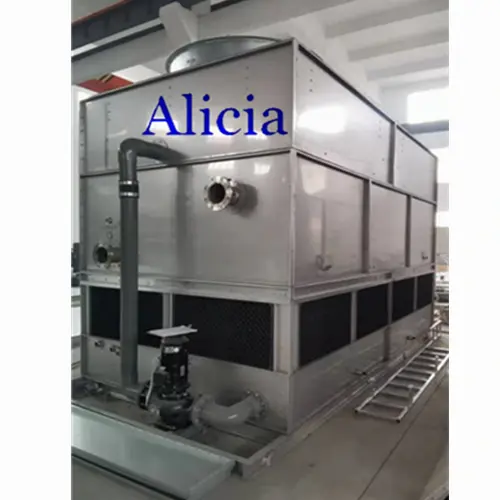
Chemical industry: Many processes in chemical production require cooling of various corrosive, toxic or volatile media, such as the cooling of chemical raw materials such as sulfuric acid, hydrochloric acid, and nitric acid. Closed cooling towers can avoid direct contact between the cooling medium and the outside air, prevent the medium from being contaminated and volatilized, and ensure the safety of the production process and product quality.
Power industry: In the fields of thermal power generation and nuclear power generation, closed cooling towers can be used to cool the lubricating oil of steam turbines, the cooling water of generators, and the cooling systems of some auxiliary equipment. It can effectively prevent impurities and microorganisms in the cooling water from corroding and scaling the equipment, improve the operating efficiency and reliability of the equipment, and ensure the stable operation of power production.
Electronic industry: Electronic equipment generates a lot of heat during operation, and the cooling temperature and water quality need to be precisely controlled. Closed cooling towers provide a stable and clean cooling environment for cooling systems in electronic chip manufacturing, semiconductor production and other processes, which helps improve the quality and performance of electronic products and reduce equipment failures and product defects caused by excessive temperatures and water quality problems.
Food and beverage industry: This industry has extremely high requirements for hygiene. Closed cooling towers can be used to cool syrups, juices and other materials in beverage production, as well as cooling water in food processing. It can prevent external pollutants from entering the cooling system, avoid contamination of food and beverages, and ensure that products meet hygiene standards.
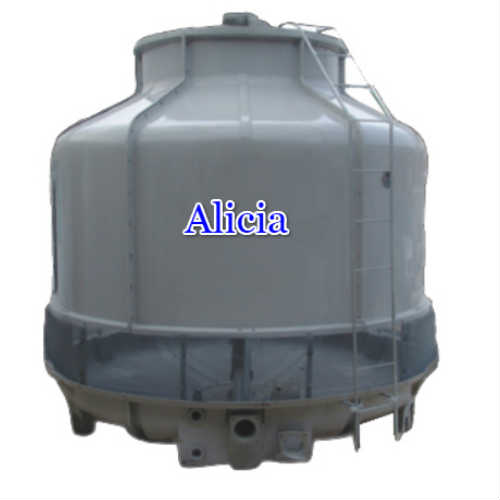
Central air-conditioning system: In the central air-conditioning system of commercial buildings, office buildings, hotels and other places, open cooling towers are widely used to cool the circulating cooling water of the air-conditioning host. It has high cooling efficiency and can quickly dissipate the heat generated by the air-conditioning system into the atmosphere, ensuring the normal operation of the air-conditioning system and providing a comfortable environment indoors.
Iron and steel metallurgical industry: Blast furnaces, converters, continuous casting machines and other equipment in the steel production process require a large amount of cooling water. Open cooling towers can meet the characteristics of large flow and high cooling requirements of the steel industry. Through efficient evaporative heat dissipation, a large amount of heat generated by the equipment can be taken away, ensuring that the equipment operates at normal temperature, improving production efficiency and product quality.
Papermaking industry: Paper machines, drying cylinders and other equipment in the papermaking process need to be cooled, and open cooling towers can provide them with cooling circulating water. Its simple structure and convenient maintenance are suitable for the large-scale cooling needs of paper mills. At the same time, it can effectively reduce production costs and ensure the continuity and stability of papermaking production.
Printing and dyeing industry: Fabrics need to be washed, dyed and other treatments during the printing and dyeing process. These processes will generate a large amount of hot water, which needs to be cooled in time. Open cooling towers can quickly cool hot water, meeting the requirements of the printing and dyeing industry for large cooling water volume and fast cooling speed. At the same time, its operation is flexible, and the cooling effect can be adjusted according to changes in production load to adapt to the different needs of printing and dyeing processes.





 Why are closed-circuit cooling towers needed to make cheese?
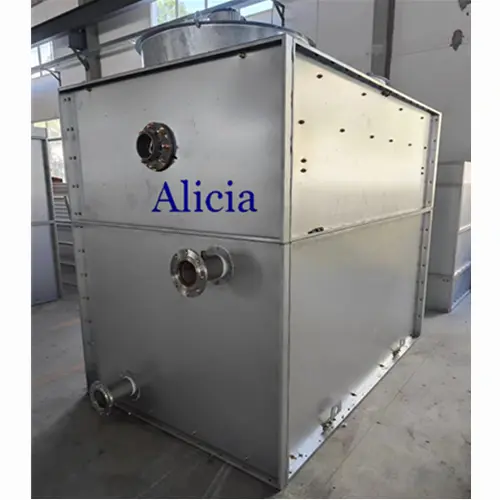 closed-circuit cooling tower systems for process cooling applications
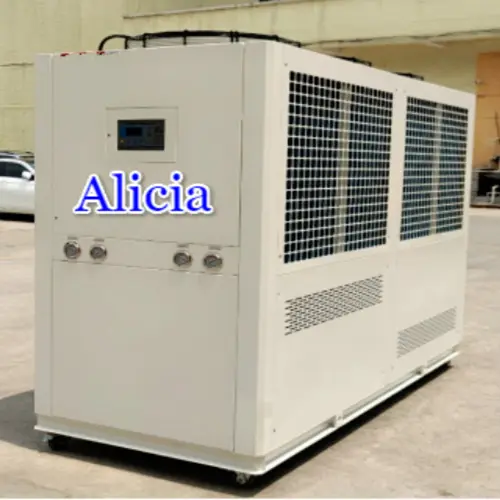 How are chillers used in the cosmetics manufacturing industry?
 How are water chillers used in the detergent manufacturing industry?


