Plastic Shredder vs Plastic Crusher: Core Differences
Both machines reduce plastic size but differ in working principle, output, material suitability, and role in recycling lines.
1. Working Principle
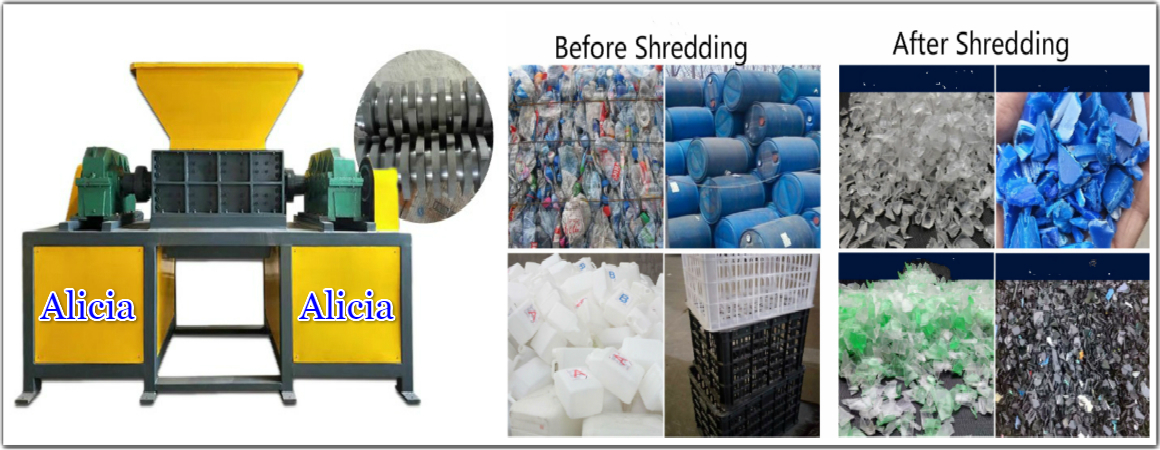
Low speed, high torque (30–600 rpm).
Uses shearing/tearing between thick, interlocking blades (single/double shaft).
Breaks material via tension and shear force.
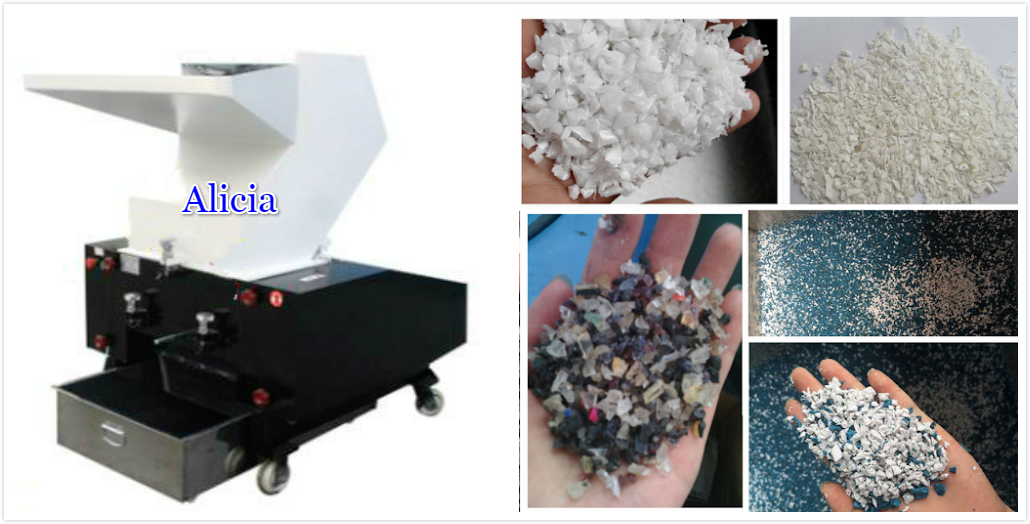
High speed, low torque (800–3000 rpm).
Uses sharp rotating knives + fixed blades for cutting.
Relies on kinetic impact and cutting.
2. Output Size & Shape
Machine Output Size Shape
Shredder Coarse fragments 10–200 mm Irregular strips/chunks
Crusher Fine granules/flakes 0.5–20 mm Uniform, clean-cut
Crusher often has a screen to control exact particle size; shredders rarely do.
3. Material Suitability
Shredder: Best for
Bulky/large items: Drums, pipes, car bumpers, bulk film/bags.
Flexible/tough plastics: LDPE film, PP woven bags, rubber, tires.
Contaminated/mixed waste: With metal, wood, or other impurities.
Crusher: Best for
Rigid/brittle plastics: PET bottles, HDPE containers, ABS, PS, small parts.
Pre-shredded or small scrap: For final sizing before extrusion/injection.
4. Typical Applications
Shredder
Primary size reduction: Reduce volume for transport/storage.
Preprocessing: Before washing, sorting, or fine grinding.
Heavy-duty recycling: E-waste, large plastic structures.
Crusher
Final granulation: For direct use in production (injection, extrusion).
PET/HDPE bottle recycling: Produce clean, uniform flakes.
In-house scrap recycling: Sprues, runners, defective parts.
5. Key Advantages & Limitations
Plastic Shredder
✅ Handles large, bulky, flexible, or contaminated plastics.
✅ Low noise, low wear, high torque for tough materials.
❌ Output is coarse/irregular, often needs secondary crushing.
Plastic Crusher
✅ Produces uniform, clean granules ready for reuse.
✅ Precise size control via screen mesh.
❌ High noise, faster blade wear, can jam with large/flexible items.
6. Quick Selection Guide
Choose a shredder if:
Feedstock is large, bulky, flexible, or mixed waste.
You need volume reduction before further processing.
Choose a crusher if:
Feedstock is rigid, small, or pre-shredded.
You need uniform, fine granules for direct reuse.
Summary
Shredder = Low-speed tearing for big/tough plastics → coarse chunks
Crusher = High-speed cutting for rigid/small plastics → uniform granules
In recycling lines: Shredder first, then crusher for most mixed or large waste streams.


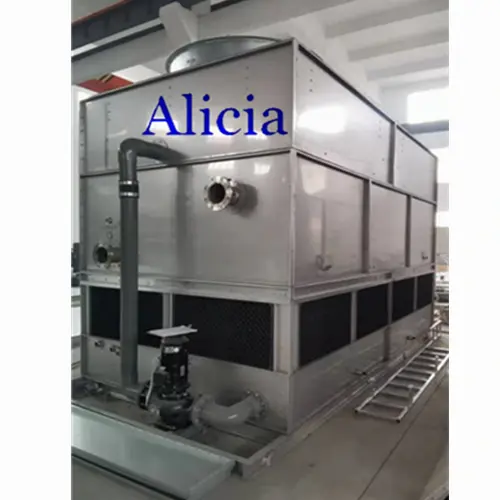 Why are closed-circuit cooling towers needed to make cheese?
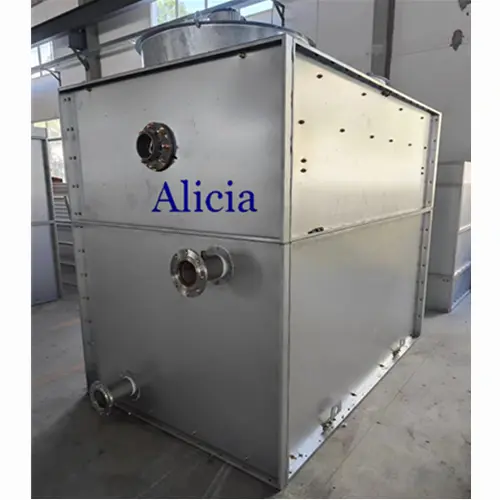 closed-circuit cooling tower systems for process cooling applications
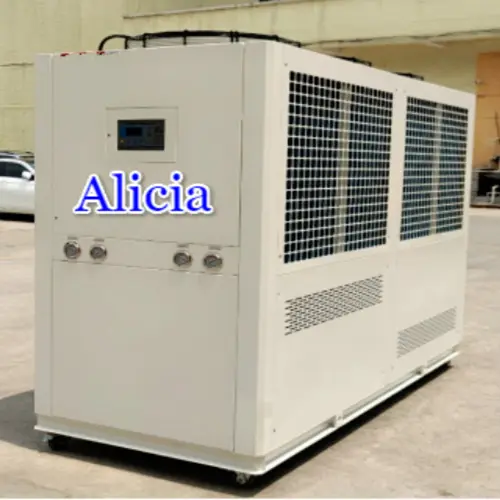 How are chillers used in the cosmetics manufacturing industry?
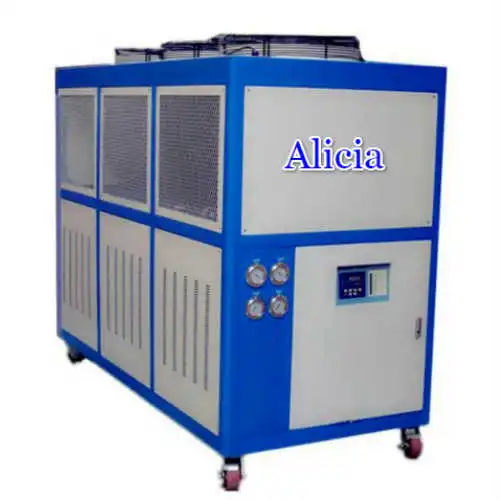 How are water chillers used in the detergent manufacturing industry?
