Businesses engaged in large-scale bee product processing, breeding, and intelligent temperature-controlled beekeeping have the greatest need for chillers. Traditional beekeeping farms typically don't need them, but businesses involved in deep processing, constant-temperature breeding, and strong summer cooling require them.
I. Deep Processing Enterprises of Bee Products (Core Need) These are businesses that refine, concentrate, sterilize, and bottle products such as honey, royal jelly, bee pollen, and propolis.
1. Honey Concentration/Processing: Vacuum concentration and low-temperature concentration require stable cooling water at 5-15℃ to control the evaporator temperature and prevent high temperatures from destroying enzymes, vitamins, and aroma.
2. Royal Jelly Preservation/Filtration: Production, filtration, and bottling require temperature control at 0-4℃ throughout the process, and chillers provide a stable cooling source.
3. Bee Pollen Cell Wall Breaking/Drying: Low-temperature cell wall breaking and freeze drying require precise temperature control at -5-10℃.
Food-Grade Requirements: Hygienic stainless steel chillers must be used for all materials in contact with the material to prevent contamination.
II. Large-Scale Bee Breeding & Propagation Enterprises (Breeding Bee Farms)
Enterprises specializing in queen rearing, artificial insemination, off-season breeding, and summer breeding for bee preservation.
1. Laboratory Temperature Control: Artificial insemination of queen bees and larval rearing require a constant temperature and humidity of 32-35℃. Cooling is achieved using a chiller during high temperatures.
2. Large-Scale Intelligent Bee Breeding Rooms: Large-scale bee breeding workshops maintain a constant temperature year-round. Forced cooling is achieved using chillers in summer.
3. Germplasm Resource Bank: Low-temperature preservation of bee colonies and semen requires a continuous cold source of 20-4℃.
III. High-Temperature Regions / Intensive Intelligent Bee Farms
Large-scale enterprises in tropical/subtropical regions, rooftop/greenhouse intensive beekeeping, and those pursuing high yields.
1. Strong Cooling of Beehives in Summer: When the air temperature exceeds 35℃, traditional ventilation is insufficient. A water-cooling system + chiller can stabilize the temperature inside the hive at 32-34℃, preventing bee production stoppage, absconding, and heat-related deaths.
2. Factory-style beekeeping: Multi-tiered rack beekeeping and indoor beekeeping require centralized cold water circulation and temperature control.
IV. Beekeeping Research/Teaching Institutions: Research institutes, university apiculture laboratories, quality inspection centers.
1. Instrument cooling: High-performance liquid chromatography, chromatography, centrifuges, and ultra-low temperature equipment require high-precision chillers (±0.1℃).
2. Research projects: Research on temperature and humidity gradients, heat-resistant breeding, etc., requires a precisely controllable cold source.
V. Beekeeping enterprises that do not require chillers:
1. Traditional stationary/migratory apiaries: Honey harvesting only, no processing.
2. Family/small-scale sideline beekeeping.
3. Cooperatives that only sell raw honey, without processing.




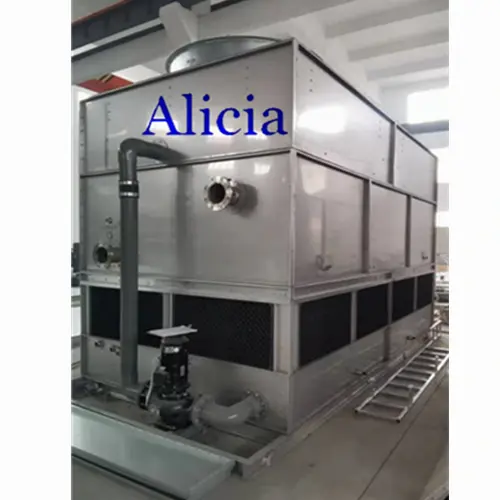 Why are closed-circuit cooling towers needed to make cheese?
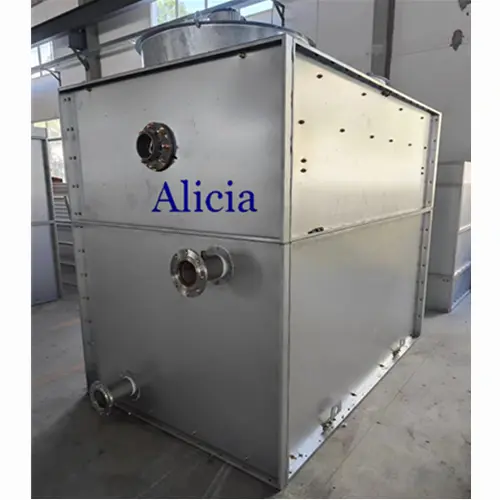 closed-circuit cooling tower systems for process cooling applications
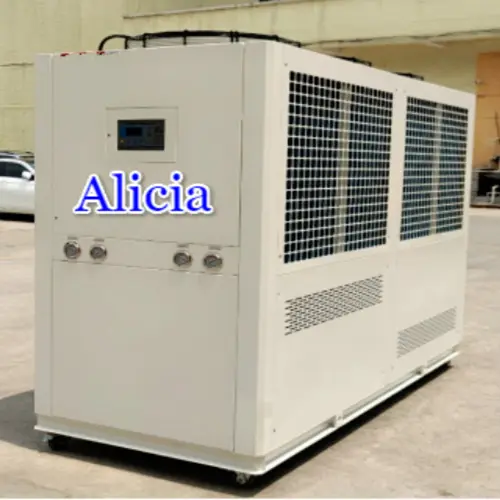 How are chillers used in the cosmetics manufacturing industry?
 How are water chillers used in the detergent manufacturing industry?


