In today's world, where environmental concerns are at the forefront, plastic recycling has become an essential practice. Plastic crushers machines play a crucial role in this process, enabling the efficient transformation of waste plastics into reusable materials.
Table of contents:Understanding Plastic WasteHow Plastic Crushers Machines workBenefits of Using Plastic Crushers Machines in RecyclingThe Recycling Process After CrushingChallanges and Considerations
Understanding Plastic Waste
Plastic waste is ubiquitous. From packaging materials to consumer products, plastics are used extensively due to their durability and versatility. However, their slow degradation rate has led to a mounting environmental crisis. Landfills are filling up with plastic debris, and improper disposal often results in plastic pollution in oceans and natural habitats. Recycling offers a sustainable solution to mitigate these issues.
How Plastic Crushers Machines Work
A plastic crusher is a mechanical device designed to reduce the size of plastic waste. It typically consists of a hopper, a rotor with cutting blades, and a chamber. The waste plastics are fed into the hopper. Once inside the chamber, the powerful rotating blades on the rotor start to cut, shear, and grind the plastic pieces. The blades are strategically positioned and shaped to break down the plastics into smaller, more manageable fragments. This size reduction is vital as it increases the surface area of the plastic, making it easier for subsequent recycling processes such as melting and reprocessing.

Benefits of Using Plastic Crushers Machines in Recycling
- Enhanced Processing Efficiency: By reducing the size of the plastic waste, crushers speed up the overall recycling process. Smaller pieces can be melted and molded more quickly, saving time and energy in the recycling facility.
- Versatility: Plastic crushers machines can handle a wide variety of plastic types, including polyethylene (PE), polypropylene (PP), polystyrene (PS), and more. This versatility allows recyclers to deal with mixed plastic waste streams commonly found in collection bins.
- Cost-Effectiveness: Investing in plastic crushers machines can lead to significant cost savings in the long run. They reduce the need for manual sorting and preprocessing of large plastic items, minimizing labor costs. Moreover, the efficient size reduction means less energy is required for further processing steps.
- Quality of Recycled Material: The uniform size reduction achieved by crushers results in a more consistent quality of the recycled plastic. This homogeneity is crucial for producing high-quality recycled products that can meet industry standards and find applications in various sectors.
The Recycling Process After Crushing
Once the plastics have been crushed, the next steps usually involve washing to remove impurities like dirt, labels, and adhesives. After cleaning, the shredded plastic is dried and then sent to an extrusion machine. Here, the plastic is melted and forced through a die to form pellets. These pellets are the building blocks for manufacturing new plastic products, ranging from plastic bottles and containers to construction materials and automotive components.
Challenges and Considerations
While plastic crushers machines are invaluable in plastic recycling, there are some challenges. One major concern is the potential for contamination. If different types of plastics or non-plastic materials are accidentally crushed together, it can degrade the quality of the recycled output. Therefore, proper sorting before crushing is essential. Additionally, regular maintenance of the crushers is necessary to ensure the blades remain sharp and the machine operates at peak efficiency. Noise and dust emissions during operation also need to be managed to comply with environmental and occupational health regulations.
In conclusion, plastic crushers machines are the workhorses of the plastic recycling industry. They pave the way for turning waste plastics into valuable resources, reducing our reliance on virgin plastics and contributing to a cleaner, more sustainable planet. With continued innovation and proper utilization, these machines will play an even more significant role in addressing the global plastic waste problem.




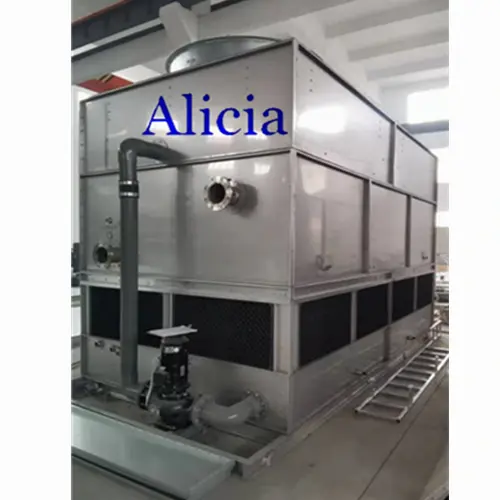 Why are closed-circuit cooling towers needed to make cheese?
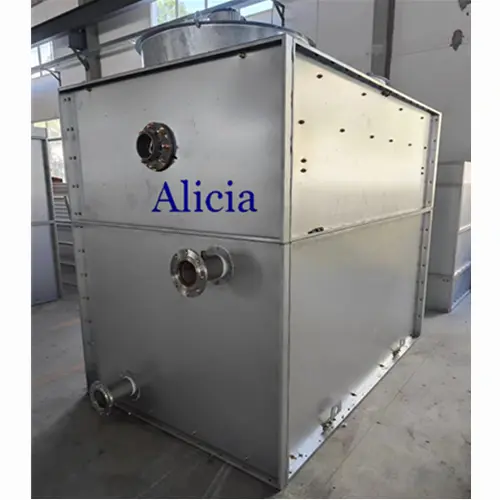 closed-circuit cooling tower systems for process cooling applications
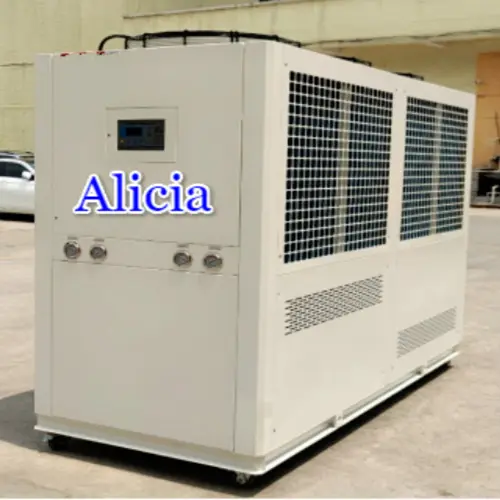 How are chillers used in the cosmetics manufacturing industry?
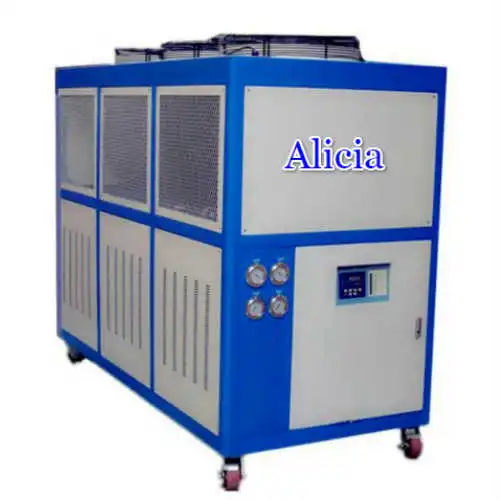 How are water chillers used in the detergent manufacturing industry?


