The operation method of vertical dehydrator:
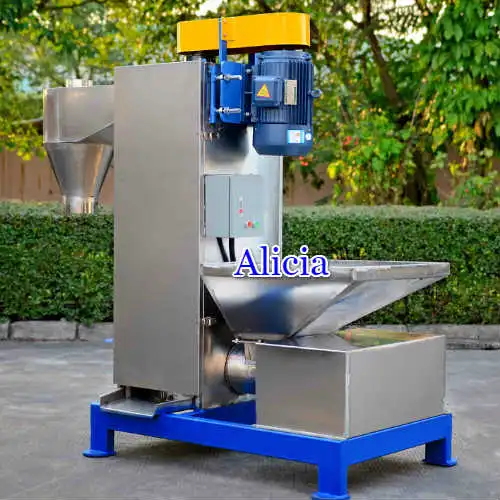
1 Before turning on the machine, check whether there is any debris in the machine body. Now start the spindle motor. The motor rotation should be in the direction of the arrow or (the rotation of the spindle is the same as the arrow.) The new machine is energized and run without load for 5 minutes, and then start the feeding motor. If there is no abnormality, it can be fed for dehydration.
2 In the design of the plastic dehydrator, the spindle motor must be started before the feeding motor can be started. In order to avoid the phenomenon of stripping and clogging, if you find that the dehydration effect is not as good as before during use, please turn off the power, open the outer cover, remove the clogged screen to remove the foreign matter, and then restart the machine for use.
3 This machine has a high speed, the transmission belt between the main shaft and the motor is worn for a long time, and the gap is generated, which causes the main shaft to be weak or the speed is low, and the dehydration effect is not good. At this time, the motor adjusting bolt must be adjusted outward. Tighten the rotating belt to get normal results.
4. When the dehydration is stopped, after the material in the hopper is delivered, part of the water is injected to clean the hopper, then the feeding motor is turned off, and then the spindle motor is turned off. To keep the whole machine clean.
Matters needing attention for vertical dehydrator:
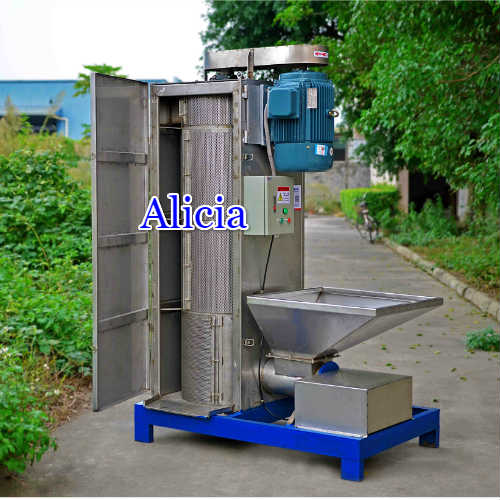
1. The scope of application of this equipment is to crush pellets or small pieces, and can not be put into the machine in the form of agglomerates or large pieces to avoid jamming the machine.
2. Before use, it should be started without load for 1 minute, and no abnormality can be found before it can be fed and dehydrated.
3. If severe vibration or abnormal noise occurs after starting the machine, stop or cut off the power immediately. Open the outer cover first, then remove the screen, check whether the spindle blades fall off or have foreign objects. If the vibration cannot be eliminated after restarting, the machine If it cannot be used, check the reason first or notify the supplier for maintenance to avoid accidents.
4. Fill the main shaft bearing, feeding bearing, grease, and reducer with oil regularly. The dehydrator should be thoroughly inspected after half a year of use.

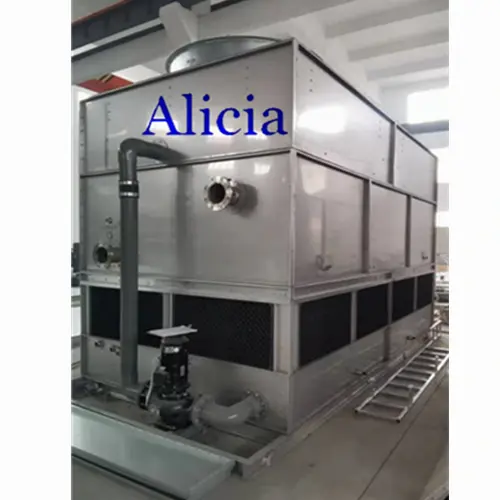 Why are closed-circuit cooling towers needed to make cheese?
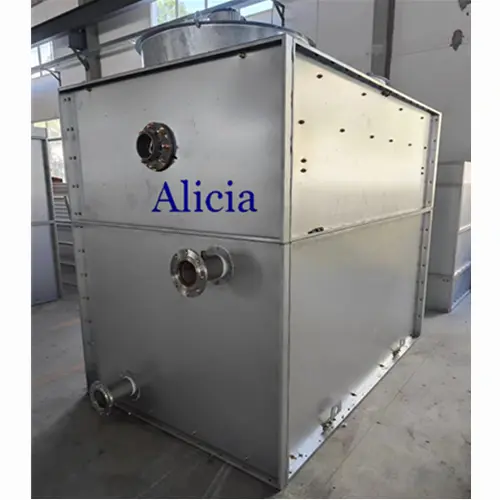 closed-circuit cooling tower systems for process cooling applications
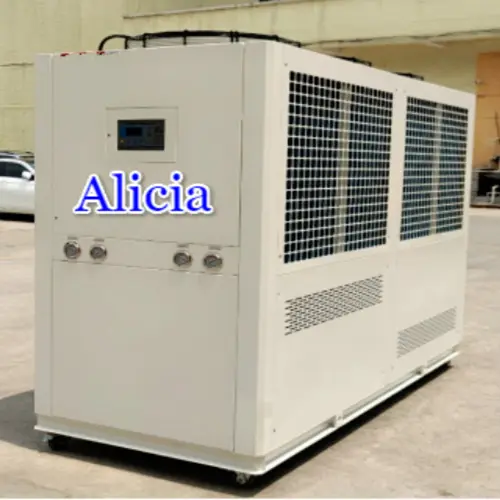 How are chillers used in the cosmetics manufacturing industry?
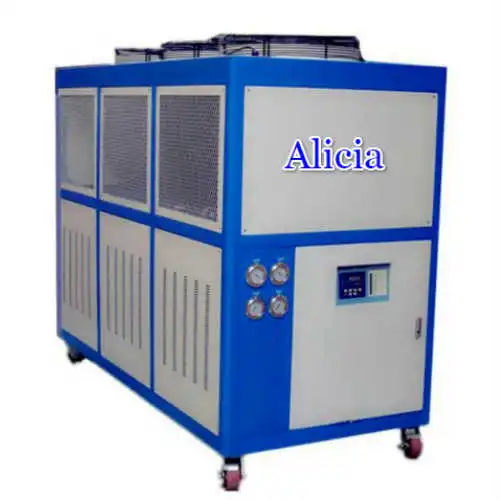 How are water chillers used in the detergent manufacturing industry?



