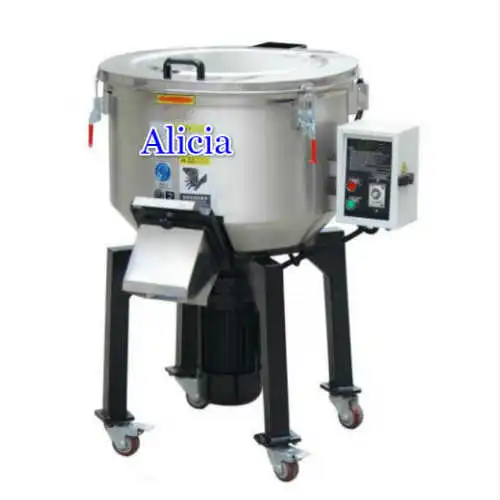
Plastic mixers are mainly used in the plastic shoemaking industry for the following aspects: raw material mixing, additive dispersion, preheating and pretreatment.
Raw material mixing
In the production of plastic shoes, it is usually necessary to mix a variety of different raw materials together to achieve specific performance requirements.
Plastic shoemaking industry plastic mixers can evenly mix plastic particles, masterbatches, additives (such as plasticizers, stabilizers, lubricants, etc.). By precisely controlling the proportions and mixing time of various raw materials, it can be ensured that the mixed materials have consistent performance and color, thereby ensuring the stability of the quality of shoe products. For example, when producing soles, mixing plastic particles with different characteristics with an appropriate amount of masterbatch can make the soles have good wear resistance and elasticity, and can also present the desired color.

Auxiliary dispersion
The various additives added in the plastic shoemaking process need to be evenly dispersed in the plastic matrix to play their due role. The
plastic shoe industry plastic mixer uses high-speed rotating stirring blades to fully disperse the additives in the material to avoid the situation where the local additive concentration is too high or too low. This helps to improve the processing performance of plastics and the performance of the final product, such as improving the fluidity of plastics, enhancing their mechanical strength, and improving aging resistance.
Preheating and pretreatment
Some plastic shoemaking processes may require preheating and pretreatment of raw materials. The plastic shoe industry plastic mixer can preliminarily heat the materials during the mixing process so that the materials reach a certain temperature and prepare for subsequent molding. This can improve the plasticity of the plastic, reduce the difficulty of processing, and improve production efficiency and product quality. For example, before feeding the plastic raw materials into the injection molding machine, preheating them through the plastic shoemaking industry plastic mixer can make the plastic better fill the mold cavity during the injection molding process and reduce molding defects.



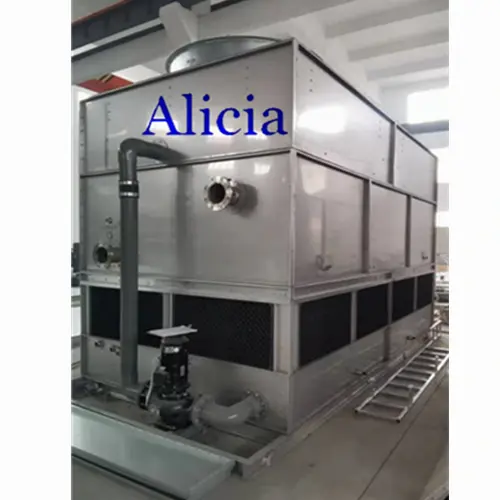 Why are closed-circuit cooling towers needed to make cheese?
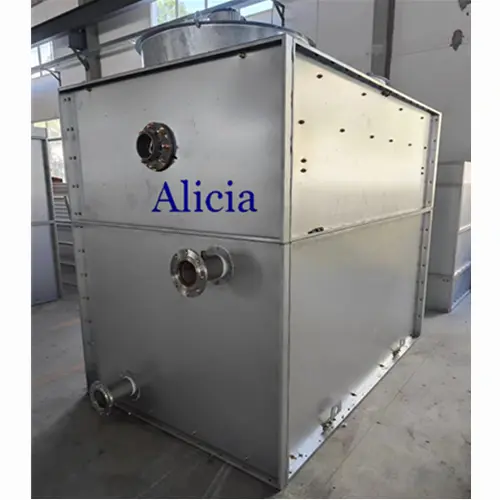 closed-circuit cooling tower systems for process cooling applications
 How are chillers used in the cosmetics manufacturing industry?
 How are water chillers used in the detergent manufacturing industry?
