We will explain all the stages requiring chiller units/low-temperature cooling, their temperatures, and purposes, following the order of Champagne production "from grape to finished product" (including Champagne's unique secondary fermentation in the bottle and freezing for disgorgement).
I. Grape Pressing: Low-Temperature Clarification of Juice (Must be Cold)
Process: Pressing → Low-Temperature Sedimentation Clarification (débourbage)
Temperature: 8-12℃ (commonly 10℃)
Time: 12-24 hours
Purpose: To remove coarse sludge, pectin, and impurities; prevent oxidation and bacterial contamination; ensure a clear and delicate base wine.
II. First Alcoholic Fermentation (Base Wine Fermentation, Temperature Controlled Throughout)
Process: Clarified grape juice → Temperature-Controlled Fermentation in Stainless Steel Tanks / Oak Barrels
Temperature: 16-20℃ (White Grapes); 18-22℃ (Pinot Noir)
Characteristics: Champagne undergoes low-temperature, slow fermentation to preserve fruit aromas, acidity, and delicacy.
Risks: Temperatures exceeding 25℃ can easily produce fusel alcohols, sulfurous flavors, and aroma loss.
Equipment: Medium-temperature chiller (10-25℃), tank jacket / Internal coil circulating cooling
III. Base wine cold stabilization (excluding tartrate, same as still wine)
Process: Fermentation complete → Cold stabilization treatment
Temperature: -1~-4℃ (ethylene glycol deep chilling)
Time: 7~14 days
Purpose: To precipitate potassium bitartrate (tartrate crystals), preventing sedimentation and turbidity in the finished bottle
IV. In-bottle secondary fermentation (the soul of Champagne, constant temperature cooling)
Process: Base wine + sugar + yeast → Bottling and sealing → Horizontal placement for secondary fermentation
Temperature: 10~14℃ constant temperature (Champagne cellar standard)
Time: 60~90 days (slow fermentation to produce fine bubbles)
Purpose: To generate CO₂ (bubbles), enhance complexity, and smooth the taste
Equipment: Cellar central air conditioning + chiller, stable 10~14℃ year-round; stable cooling required in the fermentation bottle area
V. After racking: Freezing and disgorgement (Dégorgement à la) Glace (Champagne's signature deep-chilled process)
Process: Rotation (sedimentation to the neck) → Immersion of the neck in a freezing tank
Temperature: -25~-30℃ (extremely low temperature)
Time: 10~30 seconds (freezing only the neck 4cm)
Purpose: To freeze the lees (yeast residue) into ice stoppers, which are ejected by the pressure inside the bottle upon opening, resulting in a clear, sediment-free wine.
Equipment: Ultra-low temperature freezing unit (-35℃ level), brine/glycol circulating freezing tank; a necessary, high-energy-consuming process for Champagne factories.
VI. After disgorging: Dosage and cooling
Process: Disgorging → Rapid addition of flavoring liquid (sugar + aged wine)
Temperature: 5~10℃ low-temperature environment
Purpose: Better wine blending at low temperatures, less escaping of bubbles, and stable sweetness
Equipment: Chiller maintaining low temperature in the dosage area/mixing tank
VII. Aging and storage (bottled aging, constant temperature)
Process: Dosage and bottling → Cellar aging (1~5 years)
Temperature: 10~12℃ constant temperature and humidity 70-80%
Purpose: Finer bubbles, more integrated aromas, and a smoother taste
Equipment: Cellar chiller + air conditioning system, constant temperature and humidity year-round
VIII. Terminal Cooling Before Bottling (Optional but Commonly Used)
Temperature: 15-18℃
Purpose: Reduce foam, stabilize pressure, facilitate aseptic filtration/bottling
Equipment: Plate heat exchanger + chiller
IX. Common Auxiliary Cooling (Plant-wide)
Rapid cooling of equipment after CIP cleaning
Cooling of mechanical seals such as pumps, air compressors, and compressors
Cooling of the workshop's summer process environment
Champagne vs. Wine vs. Rum: Cooling Needs at a Glance
Wine (Static): Juice clarification + fermentation temperature control +-1 to -4℃ for cold stabilization; no distillation, no secondary fermentation in the bottle, no freezing for sediment removal.
Champagne (Sparkling Wine): Fully includes static wine cooling + constant temperature secondary fermentation in the bottle + -25 to -30℃ freezing for sediment removal; more complex cooling needs, wider temperature range (-30℃ to 20℃).
Rum: Fermentation temperature control + distillation and condensation; no sub-zero cold stabilization, no freezing for sediment removal; only requires a medium-temperature chiller.




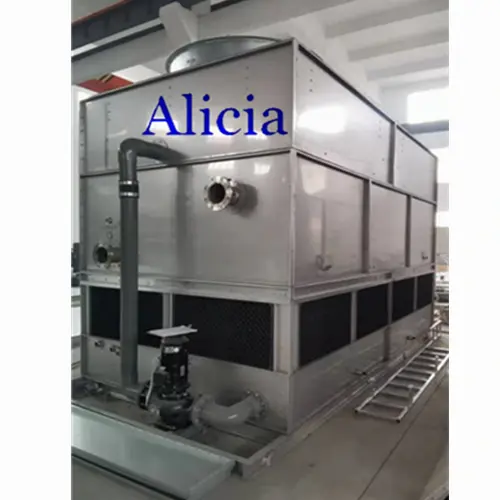 Why are closed-circuit cooling towers needed to make cheese?
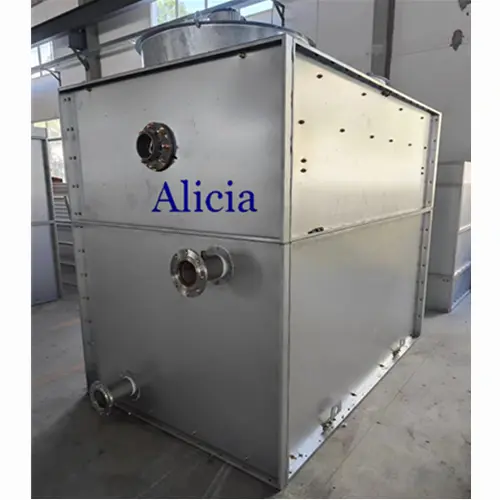 closed-circuit cooling tower systems for process cooling applications
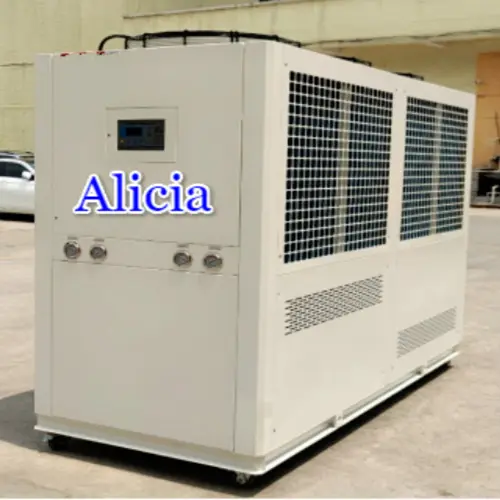 How are chillers used in the cosmetics manufacturing industry?
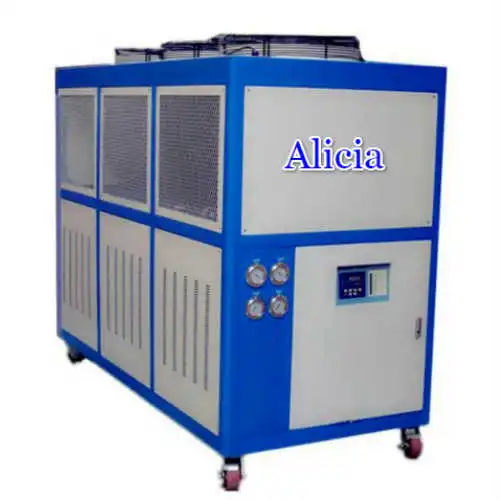 How are water chillers used in the detergent manufacturing industry?


