Rum's raw materials are molasses/sugarcane juice. Unlike wine, which requires sub-zero temperatures for stability and juice for clarification, rum production involves higher overall cooling temperatures and simpler processes. The core processes focus on five main areas: fermentation temperature control, distillation and condensation, process cooling, finished product processing, and auxiliary equipment cooling. These will be detailed below in production sequence.
I. Raw Material Preparation & Pre-treatment Cooling
Molasses Dilution, Mixing, and Cooling
The molasses concentrate is hot and viscous, making it prone to bacterial growth, souring, and spoilage at high temperatures. After dilution with water, pH adjustment, and nutrient salts, a chiller unit is used for circulating cooling to maintain the solution at 28-32°C, preventing premature bacterial growth and ensuring a suitable fermentation environment.
II. Fermentation Section (Largest User Volume, Standard Chiller Required)
Rum undergoes a long fermentation process involving high sugar and alcohol content. Yeast metabolism is highly exothermic, making this the stage with the highest cooling consumption in the entire plant.
Main Fermentation Tank Jacket/Cooler Cooling: Molasses fermentation is highly exothermic; if the temperature exceeds the limit (above 35℃): premature yeast aging, the production of sulfide odors, contamination by other microorganisms, and flavor degradation.
Temperature Control: 26~32℃ (Classic Rum); Craft Rum ferments at a lower temperature (22~26℃).
Refrigeration Medium: Room temperature chilled water/Medium temperature ethylene glycol chilled water.
Function: Maintains constant temperature to lock in flavor, ensures normal alcohol conversion, and reduces off-flavors.
Inoculum/Yeast Propagation Tank Cooling: During the yeast activation and progressive propagation stages, constant temperature control is required to prevent overheating and inactivation of the inoculum, ensuring stable fermentation start-up.
III. Distillation Section (Essential Core, Indispensable with Chillers)
This is the cooling stage that most differs from wine. Wine is not distilled, while rum must be distilled and condensed.
Secondary Condensation in Distillation Columns/Stokes
The low-alcohol mash after fermentation, after heating and vaporization, must be rapidly cooled and liquefied into high-alcohol spirit through a condenser and cold water circulation system.
Bottle distillation and continuous distillation in columns both require a large amount of stable cold water.
The lower the inlet water temperature, the higher the condensation efficiency and the more stable the spirit output. The reflux condensation of the distillation section is used to purify the spirit, separate harmful substances such as methanol and fusel oils, and improve the taste and quality of the rum.
Cooling of High-Temperature Distillery Wastewater
The hot distillery wastewater discharged after distillation is pre-cooled with cold water for easier subsequent treatment and recycling.
IV. Post-Processing of Raw Spirit
Rapid Cooling of Distilled Spirit
The freshly distilled spirit is extremely hot; high-temperature storage easily leads to oxidation and a rougher flavor. It is cooled to 20-25°C using a plate heat exchanger and chiller before being stored in tanks.
When diluting and blending high-proof spirits, adding water to reduce alcohol content, adjusting caramel color, and harmonizing flavors, a low-temperature environment allows for better integration of the spirits, reducing turbidity and stratification. Temperature control is achieved using cold water.
Short-term settling clarifies rum without tartrate crystal formation issues, but low-temperature settling can precipitate proteins and colloidal impurities, improving clarity. Only room-temperature cooling water is needed; sub-zero refrigeration is unnecessary.
V. Aging & Bottling Stages
Storage tanks are kept at a constant temperature of 18-22°C for base spirits not yet placed in oak barrels, including transfer tanks, to prevent oxidation, evaporation, and flavor deterioration in high-temperature summer conditions.
Barrel aging cellars in large rum distilleries are equipped with chillers and air conditioning systems to maintain stable room temperatures and ensure a consistent aging process in oak barrels.
Pre-filling Terminal Cooling: Before bottling, the wine is cooled to 15-20°C to reduce its activity and foam, facilitating filtration, aseptic filling, and improving filling efficiency.
VI. Plant-wide Auxiliary Public Cooling:
Workshop Process Cooling Water Circulation: Equipment mechanical cooling, pump seal cooling, and pipeline circulating water cooling.
CIP Cleaning Hot Water Cooling: After high-temperature cleaning of equipment, rapid cooling water circulation reduces temperature and shortens batch changeover time.




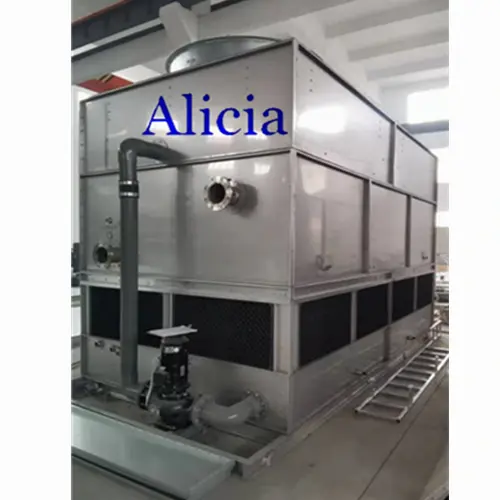 Why are closed-circuit cooling towers needed to make cheese?
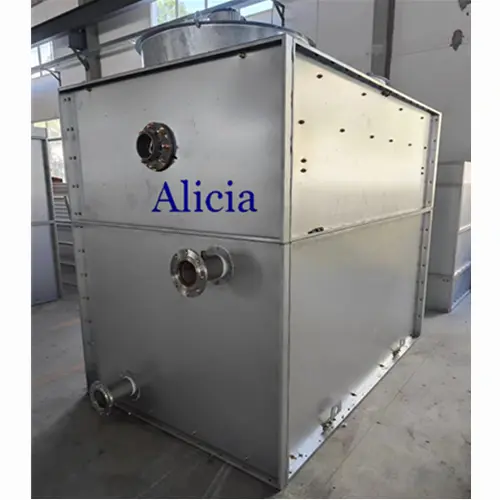 closed-circuit cooling tower systems for process cooling applications
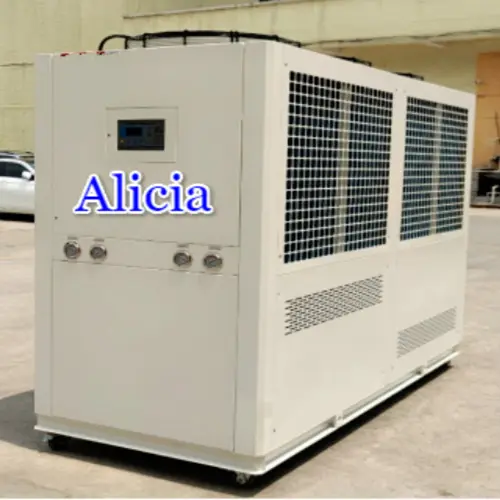 How are chillers used in the cosmetics manufacturing industry?
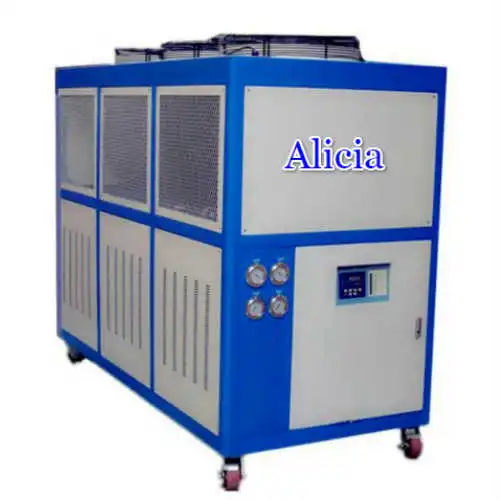 How are water chillers used in the detergent manufacturing industry?


