1. Types of Plastics for RecyclingPlastic waste can be divided into pre-consumer and post-consumer plastic waste. Pre-consumer plastic waste is plastic scraps generated by companies during the manufacturing of products. These plastics are usually easier to recycle as they are clean and homogeneous. Post-consumer plastic waste is generated by the consumers after use. These plastics are usually not favored by recyclers as they are difficult to collect, easily contaminated with food, and not homogeneous.
There are many types of plastics in the market. To make sorting and recycling easier, The Society of the Plastics Industry (SPI) in the United States developed the SPI resin identification code to provide a standard marking code for consumers to identify the main types of plastics.
It is quite common to find this identification code on plastic bottles and products. There are seven types of plastic codes:1. PET (Polyethylene terephthalate) – Used for water bottles, soft drink and cooking oil bottles, and meal trays.
2. HDPE (High-density polyethylene) – Used for milk and detergent bottles.
3. PVC (Polyvinyl chloride) – Used for plastic pipes, food trays, shrink wrap, and bottles.
4. LDPE (Low-density polyethylene) – Used for plastic bags and bin liners.
5. PP (Polypropylene) – Used for bottle caps, margarine tubs, and meal trays.
6. PS (Polystyrene) – Used for food containers, egg cartons, vending cups, plastic cutlery, and protective packaging for electronic goods.
7. OTHER – Includes any other plastic that does not fall into the above categories.
2. Why Recycle PlasticsBy recycling plastics, we reduce the environmental impacts associated with the production and disposal of plastics. The production of plastics requires significant quantities of non-renewable fossil fuels and according to Waste Online: It is estimated that 4% of the world’s annual oil production is used as a feedstock for plastics production and an additional 3-4% during manufacture.
Plastics are non-biodegradable and takes hundreds of years to break down. When they are landfilled, they take up landfill space. When they are incinerated, they release carbon dioxide and potentially toxic gases such as dioxins.
3. The Plastics Recycling ProcessAt the plastics recycling plant, plastic waste is sorted according to its type and color manually, by optical sensors, or by a flotation process. The sorted plastics are shredded, washed, and then melted to produce strands of plastics. The strands are cut into small pellets, which are used as feedstock for making new plastics products.
4. Recycled Plastic ProductsDepending on the type of plastics, the recycled plastic pellets can be used to make a wide range of plastic products such as plastic bags, containers, trays, pipes, CD cases, garden furniture, carpets, and clothing.

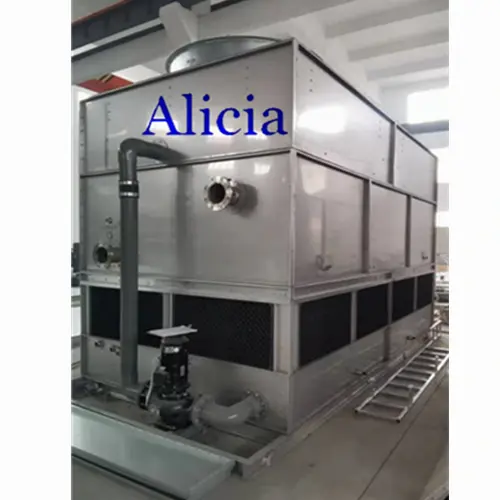 Why are closed-circuit cooling towers needed to make cheese?
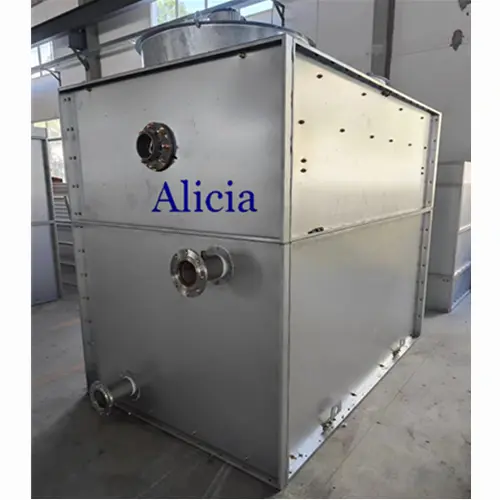 closed-circuit cooling tower systems for process cooling applications
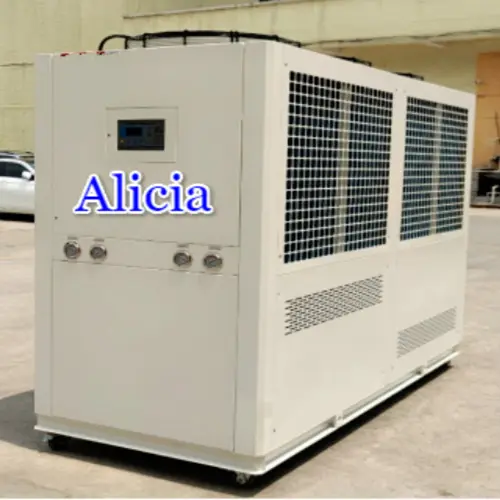 How are chillers used in the cosmetics manufacturing industry?
 How are water chillers used in the detergent manufacturing industry?



